2026-11-12
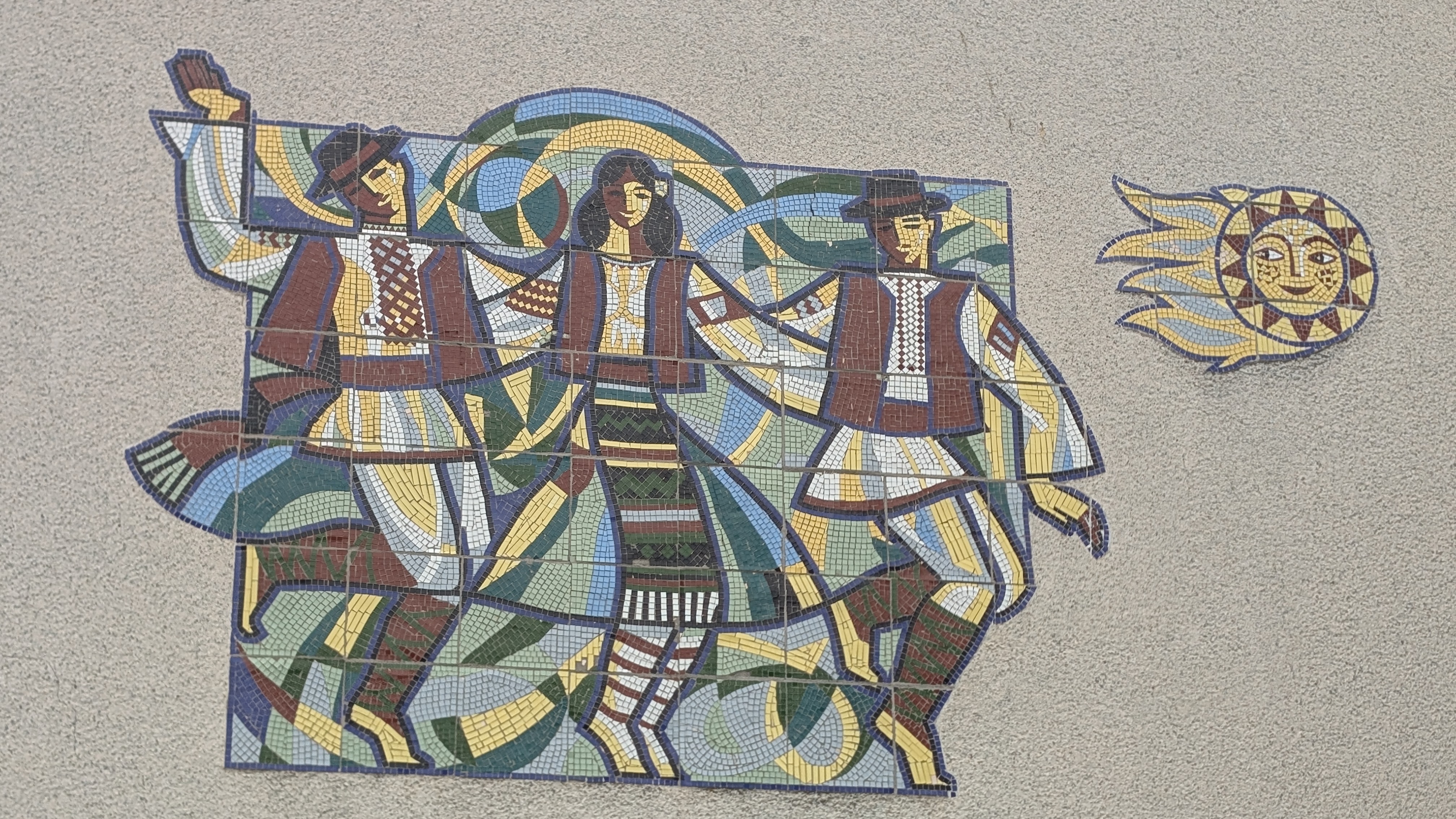
Cosmic Plowmen: The Mosaicists of Moldova
An overview of the main mosaic artists of Soviet-era Moldova: Mikhail Burya, the Obukhs, Aurel David, Aleksandr Kuzmin and others, with their key works.


Every year, fragments of an entire civilisation disappear without record. These essays and articles explore the stories, people, and ideas behind this vanishing history: who made these works of art, why they matter, and what it means to lose them.
An overview of the main mosaic artists of Soviet-era Moldova: Mikhail Burya, the Obukhs, Aurel David, Aleksandr Kuzmin and others, with their key works.

The architects behind Soviet-era Moldova, 1944–1991: who designed the landmarks that continue to share the urban environment of the capital.
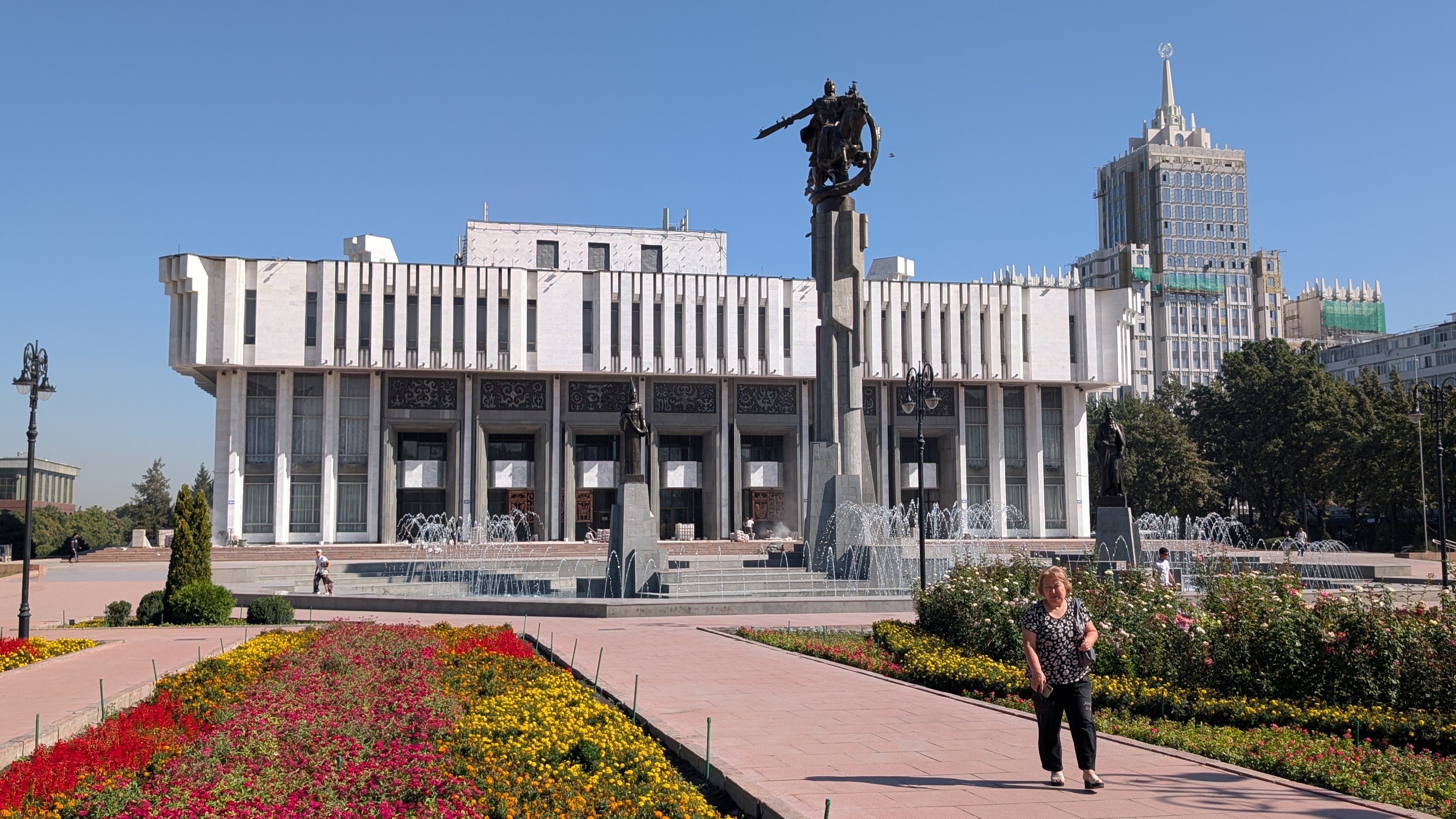
How Kamensky’s Philharmonic and Sadykov's Manas ensemble brought together sculpture, panels, and architecture in a stunning design that continues to positively shape Bishkek nearly half a century later.
The use and type of ceramics underwent a series of evolutions across the Soviet Union’s history. It became one of the USSR’s most-used materials, turning up across Soviet mosaics, reliefs, and more. This piece covers the six ceramic bodies, how glazes and salts behave in the kiln, and how a fired panel was made, sorted, and fixed to contribute to a synthesis of the arts.
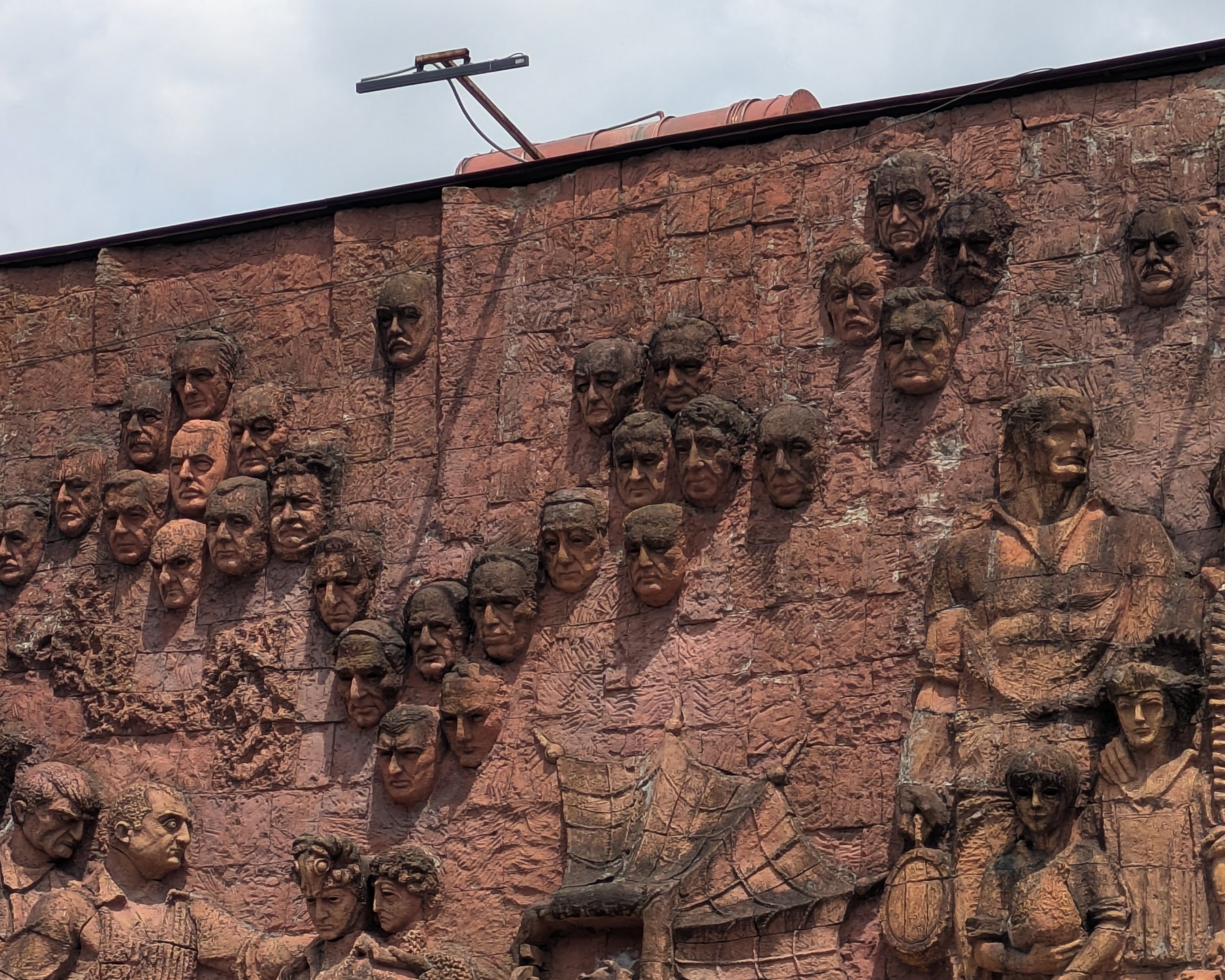
The first guide to the industrial capital of Transnistria, featuring a collosal mosaic in a village hall that has run out of villagers to the eclectic Soviet bus stops portraying the region’s steel and cement works.
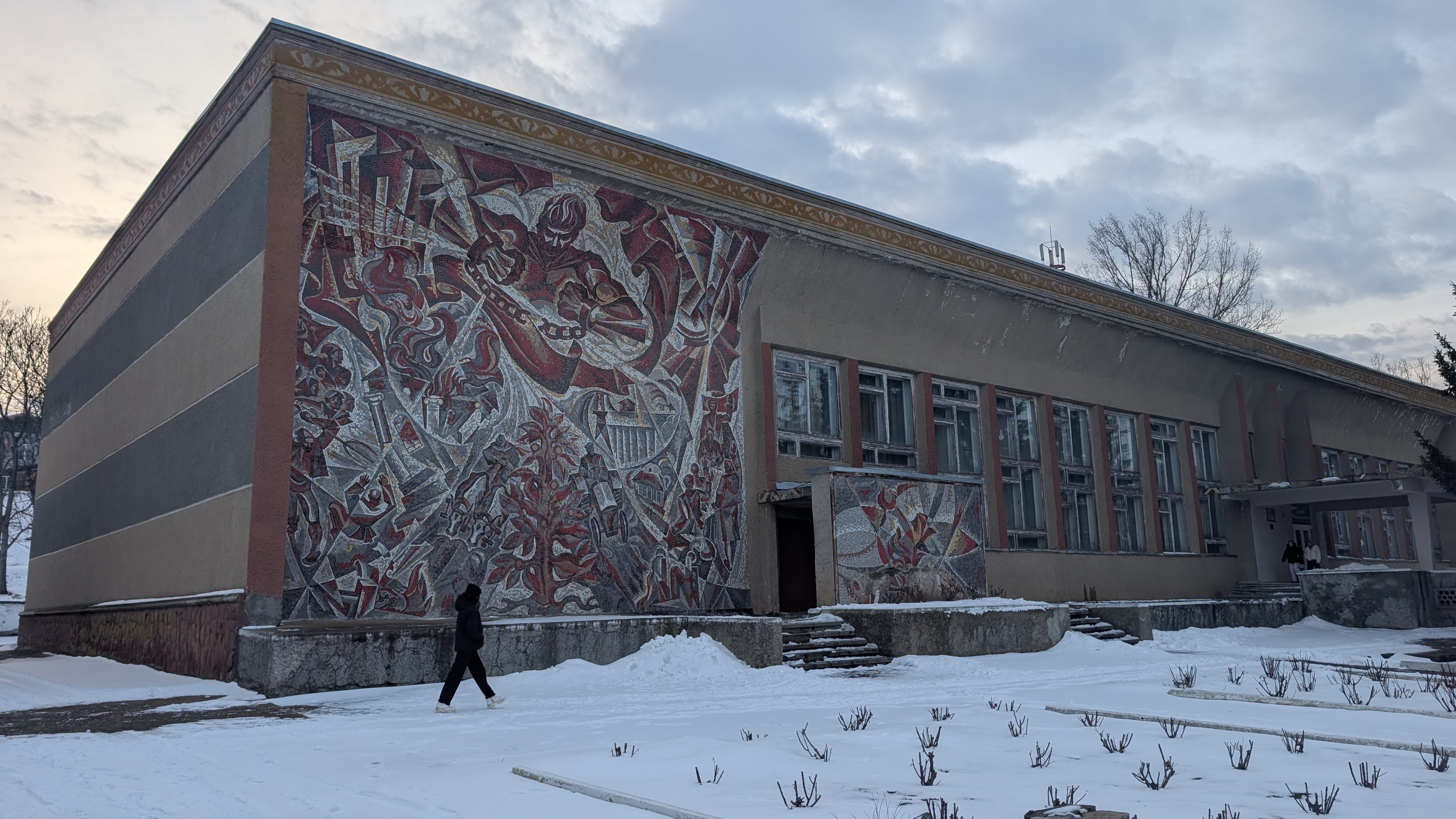
The first guide to Moldova's least-visited district, from a folk-mosaic house of culture on the Ukrainian border to the collective-farm villages of the Dniester river.